B2B | PRODUCT DESIGN
2024
Smart Routing with Scan-Based Bin Management to Eliminate Errors
COMPANY
Rebel Foods
ROLE
Senior Product Designer
EXPERTISE
UX Strategy Interaction Design Systems Thinking
YEAR
Q1 2024
About Smart Router
I led the redesign of Rebel Foods’ router management system to eliminate missing items and goof-ups—boosting order accuracy, reducing cognitive load for routing staff, and elevating the overall customer experience.
I led the redesign of Rebel Foods’ router management system to eliminate missing items and goof-ups—boosting order accuracy, reducing cognitive load for routing staff, and elevating the overall customer experience.
Challenge
Customers experience issues with their orders
Resulting refunds as a result of the order errors
My Role
As the lead designer on platform side of design, I took complete ownership for shaping the vision and strategy for the router design overhaul in close collaboration with the product team and engineering team.
My work spanned across user research, building design frameworks, crafting UX and UI, and executing detailed visual design.
For this initiative, I closely collaborated with a cross-functional team comprising 2 product managers, 3 front-end engineers and 2 back-end engineers.
My Role
As the lead designer on platform side of design, I took complete ownership for shaping the vision and strategy for the router design overhaul in close collaboration with the product team and engineering team.
My work spanned across user research, building design frameworks, crafting UX and UI, and executing detailed visual design.
For this initiative, I closely collaborated with a cross-functional team comprising 2 product managers, 3 front-end engineers and 2 back-end engineers.
Business Goal
At Rebel Foods Annual Day 2024, the organization collectively committed to an ambitious goal: eliminating all instances of missing items and goof-ups.
Research & Discovery
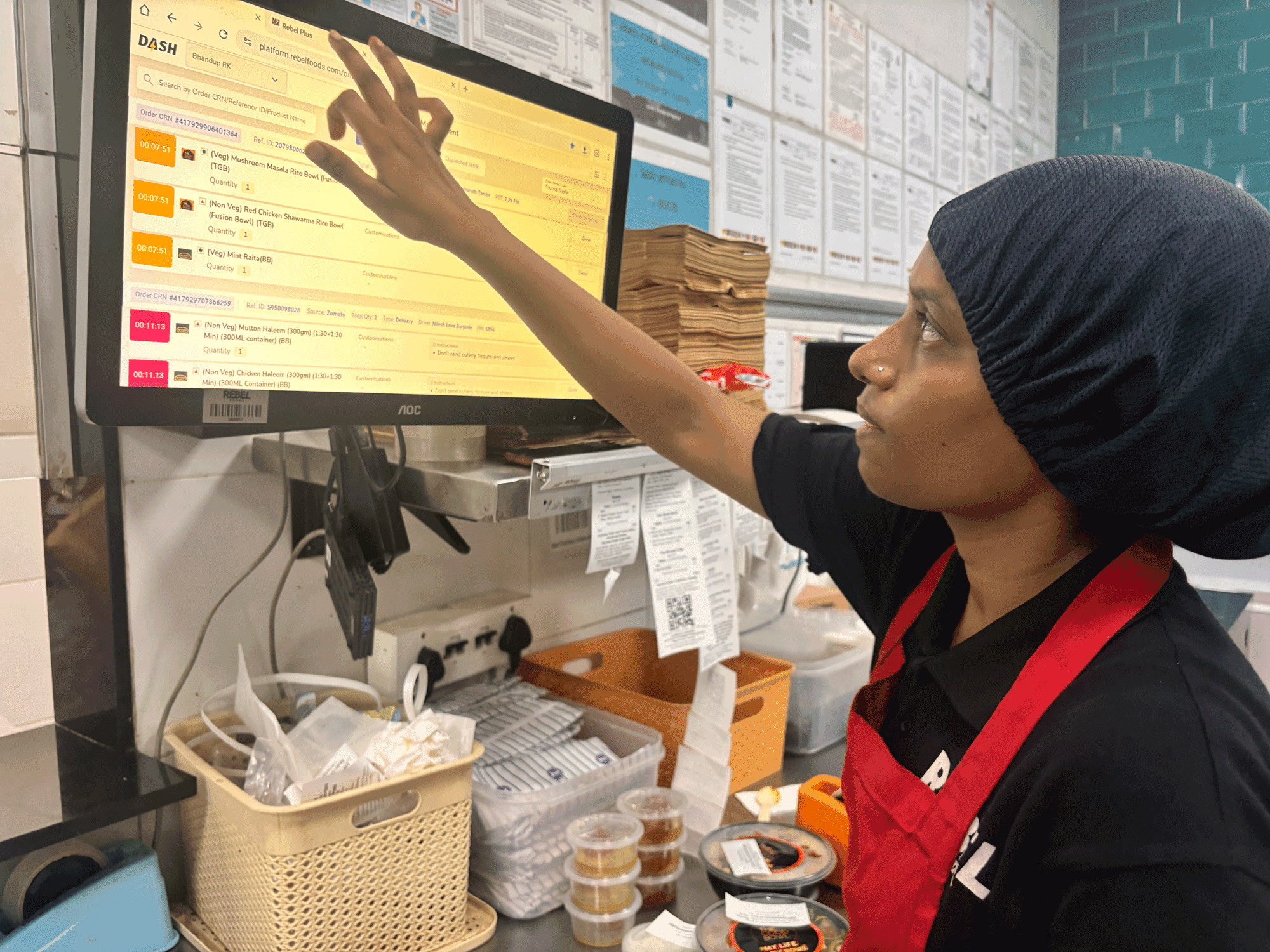
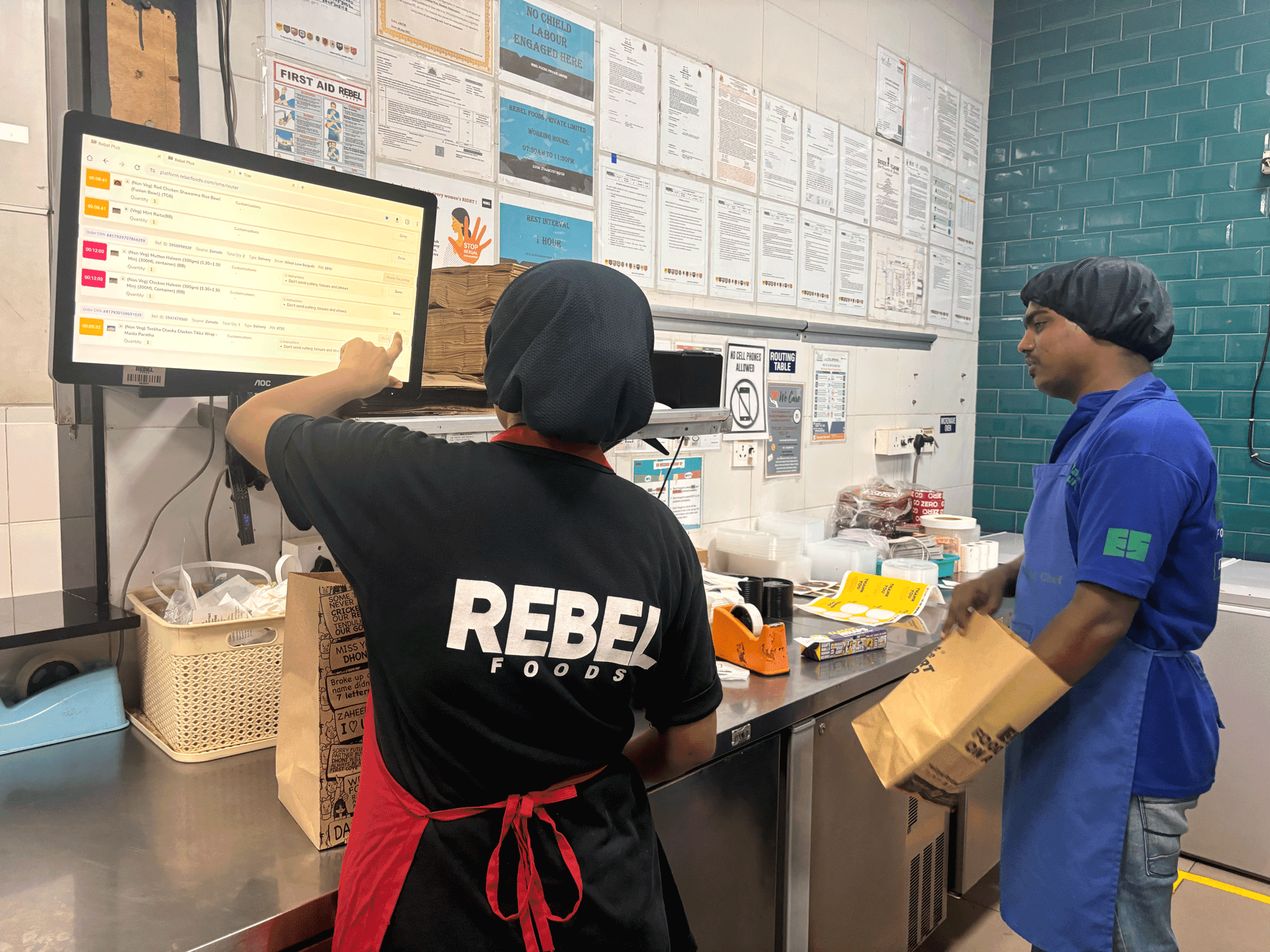
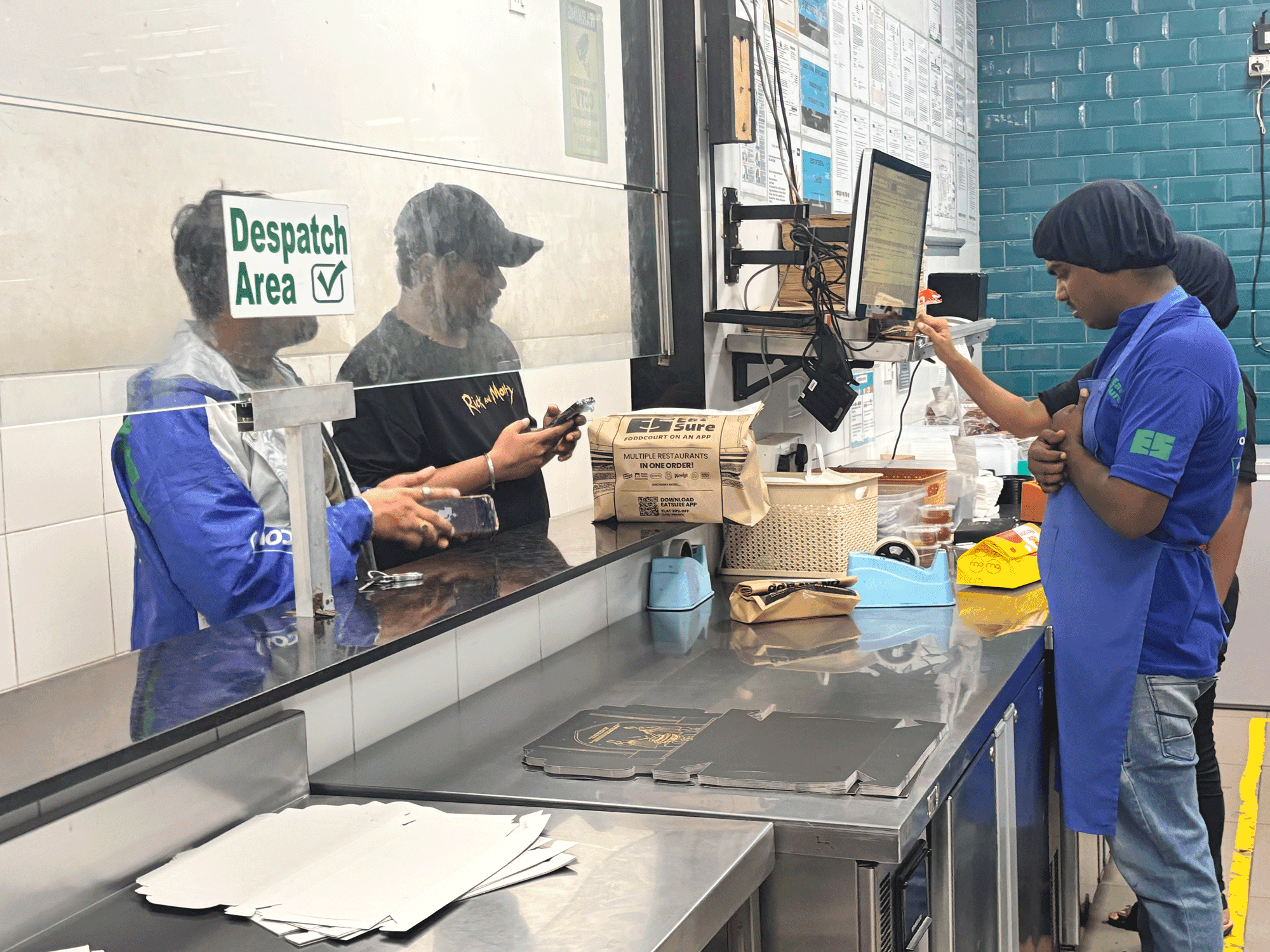
I conducted on-site visits to three kitchens in India, including face-to-face interviews in Mumbai, a Tier 1 city in Western India.
Primary Objective
Uncover the goals, painpoints, and mental models of routing staff while consolidating, sorting, and dispatching high-velocity orders.
Secondary Objective
Identify gaps and errors in the current manual routing process, especially during peak hours.
Furthermore, the product manager supplied data detailing the percentage of missing items and operational discrepancies.
User Goal
How might we enable users to efficiently manage and dispatch orders across multiple kitchens with minimal errors, ensuring optimal customer experience (CX)
Key Challenges uncovered

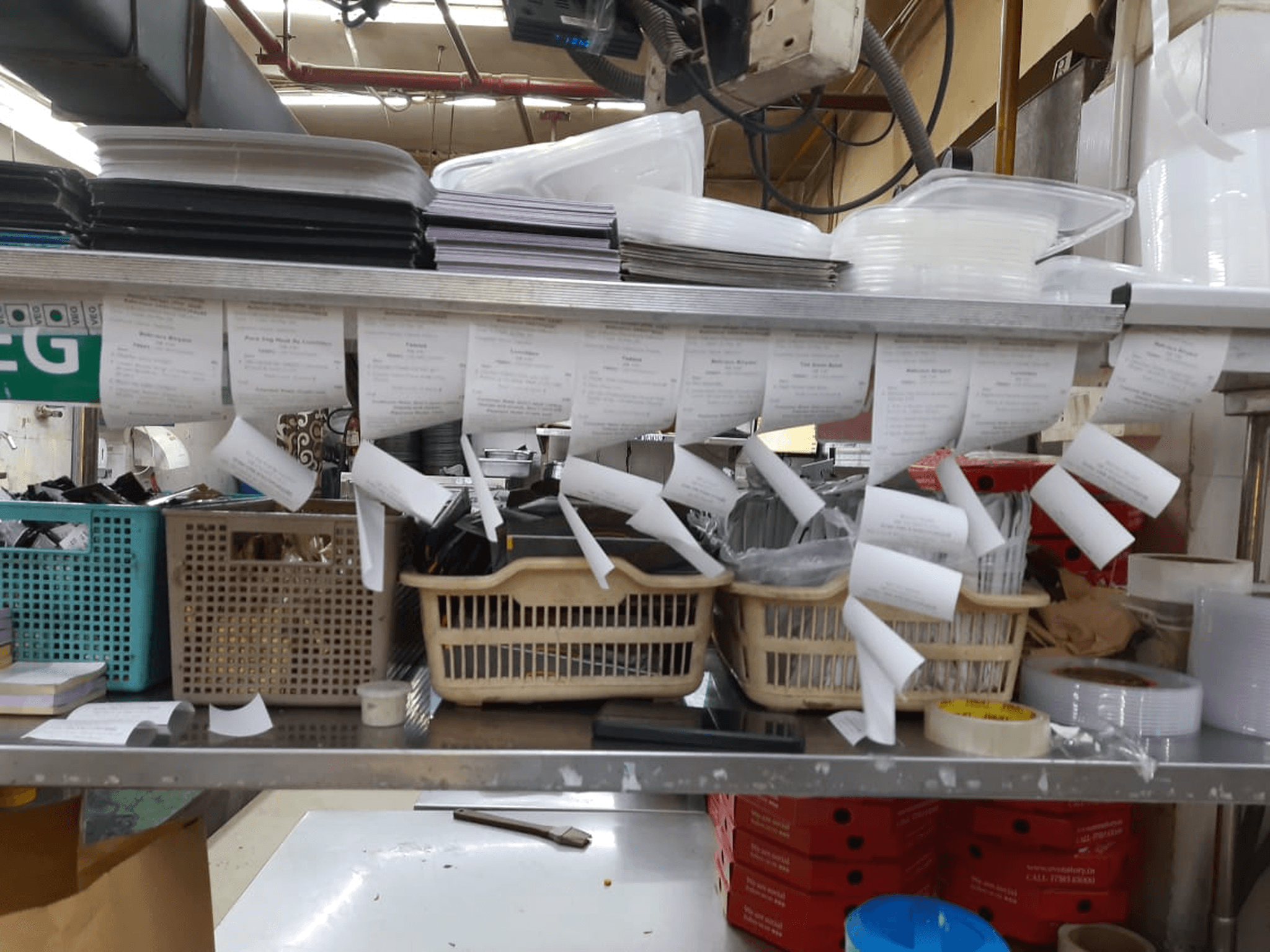
Too many tickets make it hard to prioritize
Kitchen staff struggle to know which order to focus on when multiple delivery notes and KOTs come in at once.

Manual sorting drains focus
Kitchen staff rely on memory and manual checks to match items to the right order, especially under pressure. This results in errors and mental fatigue.

Mistakes aren’t caught early
Mistakes aren’t caught early: There’s no timely feedback loop when errors occur, so staff only realize issues after the order has left the kitchen—negatively impacting brand reputation and customer loyalty.
Persona
The Solution
Mitigating missing items includes 3 steps:
Brand Chef Prints and Applies KOT
Reduced Errors: The Brand Chef attaches the KOT, minimizing order mix-ups.
Improved Efficiency: The router focuses on quality control and consolidation, easing their workload and enhancing accuracy.
Scanning items
Mandatory scanning ensures all items are accounted for.
Automated order identification simplifies the router's tasks, especially during peak time
Bin Management
Eliminates manual sorting, reducing errors and improving accuracy.
Improves item organisation and retrieval efficiency.
The design prioritized accuracy, with the tradeoff being the additional time taken for routing each item and preparing the item, both of which were constrained to less than 10 seconds.
Structure of KOT
Final Design
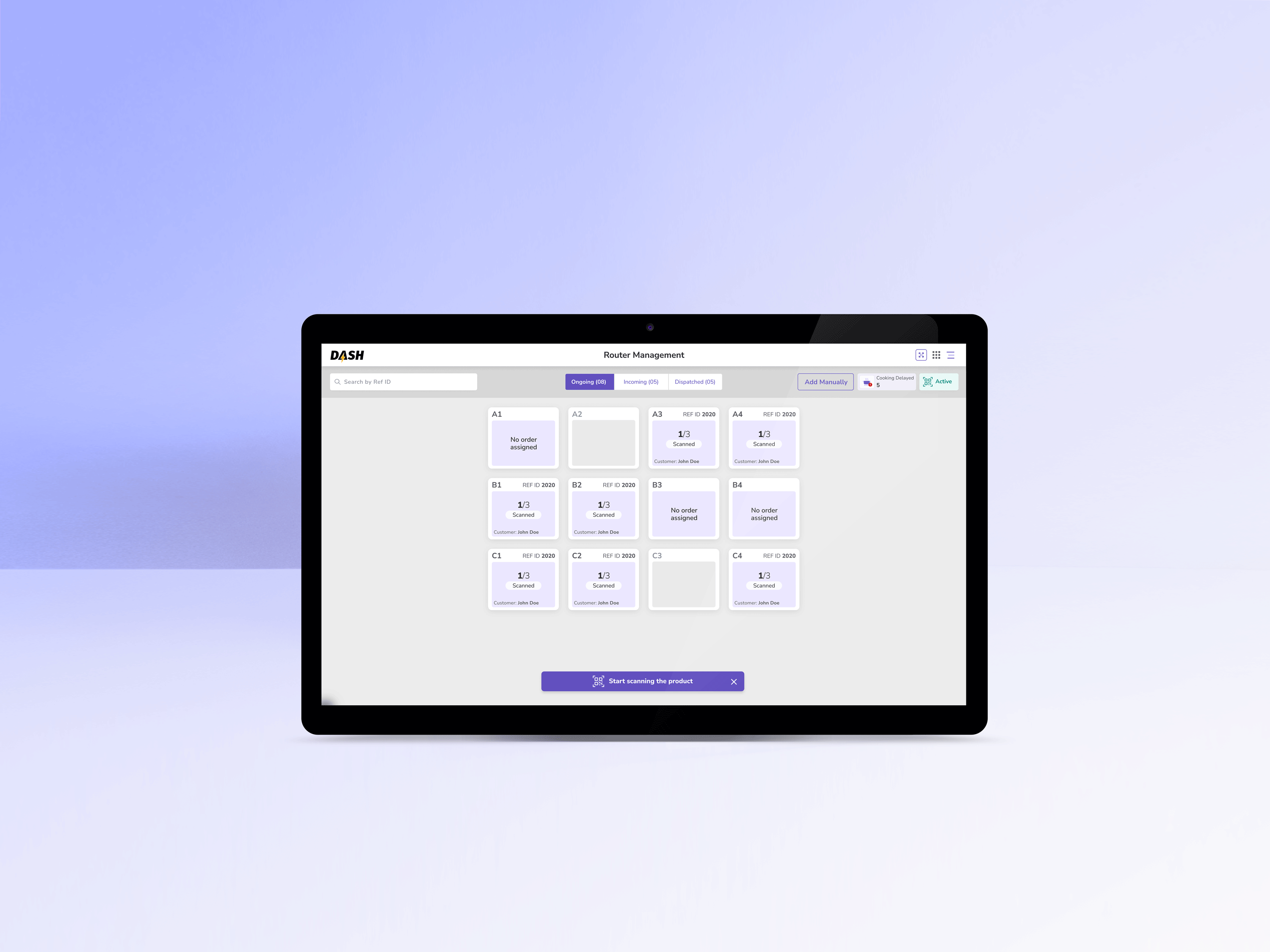
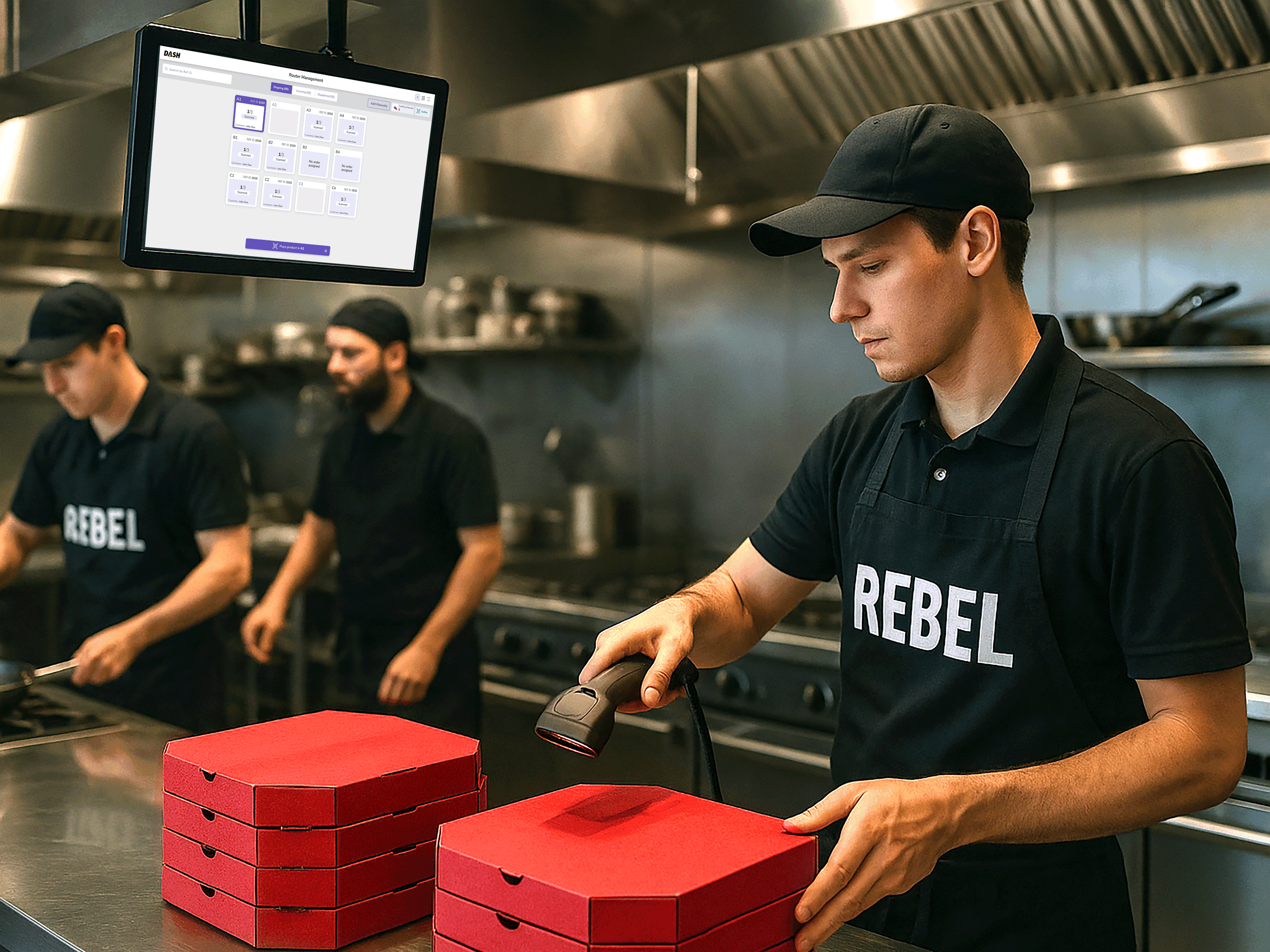
Introducing Smart Router, enhanced with bin management and scanning, strengthens our commitment to operational precision. It directly addresses a key pain point: missing items at dispatch—a common source of user dissatisfaction.
The MVP Mindset
We focused on core utility:
Removed manual sorting to reduce human error
Enabled structured bining to streamline order retrieval
Built for speed and accuracy, not complexity
Sneak Peak
Guardrail metric: Additional time per item for routing (<10 seconds)
as well as item preparation (<10 seconds)
Guardrail metric: Additional time per item for routing (<10 seconds)
as well as item preparation (<10 seconds)
Guardrail metric: Additional time per item for routing (<10 seconds)
as well as item preparation (<10 seconds)
Guardrail metric: Additional time per item for routing (<10 seconds)
as well as item preparation (<10 seconds)
Guardrail metric: Additional time per item for routing (<10 seconds)
as well as item preparation (<10 seconds)
Design Callouts
Too many tickets make it hard to prioritize
Kitchen staff struggle to know which order to focus on when multiple delivery notes and KOTs come in at once.
Manual sorting drains focus
Kitchen staff rely on memory and manual checks to match items to the right order, especially under pressure. This results in errors and mental fatigue.
Mistakes aren’t caught early
Mistakes aren’t caught early: There’s no timely feedback loop when errors occur, so staff only realize issues after the order has left the kitchen—negatively impacting brand reputation and customer loyalty.
Mistakes aren’t caught early
Mistakes aren’t caught early: There’s no timely feedback loop when errors occur, so staff only realize issues after the order has left the kitchen—negatively impacting brand reputation and customer loyalty.
Other Explorations
I explored the potential of the Dash mobile app incorporating multi-code scanning, enabling the automation of scanning multiple items in a single scan. I also considered using color-coded QR codes to help chefs easily differentiate between veg and non-veg KOTs when attaching them, minimizing errors and ensuring accuracy during the process.

Guardrail metric: Additional time per item for routing (<10 seconds)
as well as item preparation (<10 seconds)
I also explored some low cost high impact solutions to help mitigate missing items in case of any operational inefficiences within the current router flow itself.
Guardrail metric: Additional time per item for routing (<10 seconds)
as well as item preparation (<10 seconds)
Validation
Guardrail metric: Additional time per item for routing (<10 seconds)
as well as item preparation (<10 seconds)

Impact
Mitigating missing items includes 3 steps
Eva Elle
@evaelle
Thank you for building such an empowering tool, especially for designers! The site went from Figma to Framer in less than a week!
Guy Mccoy
@mccoy
Playing around with @framer while building a landing page for a side project. I’m terrible at animations, but they make it so easy!
Kayla Ray
@kayray
I’ve built pretty handy sites powered by Craft or WordPress in the past, but seeing @framer tackle CMS stuff so effortlessly is mind-boggling
Guardrail metric: Additional time per item for routing (<10 seconds)
as well as item preparation (<10 seconds)
Demo VIdeo
My learnings
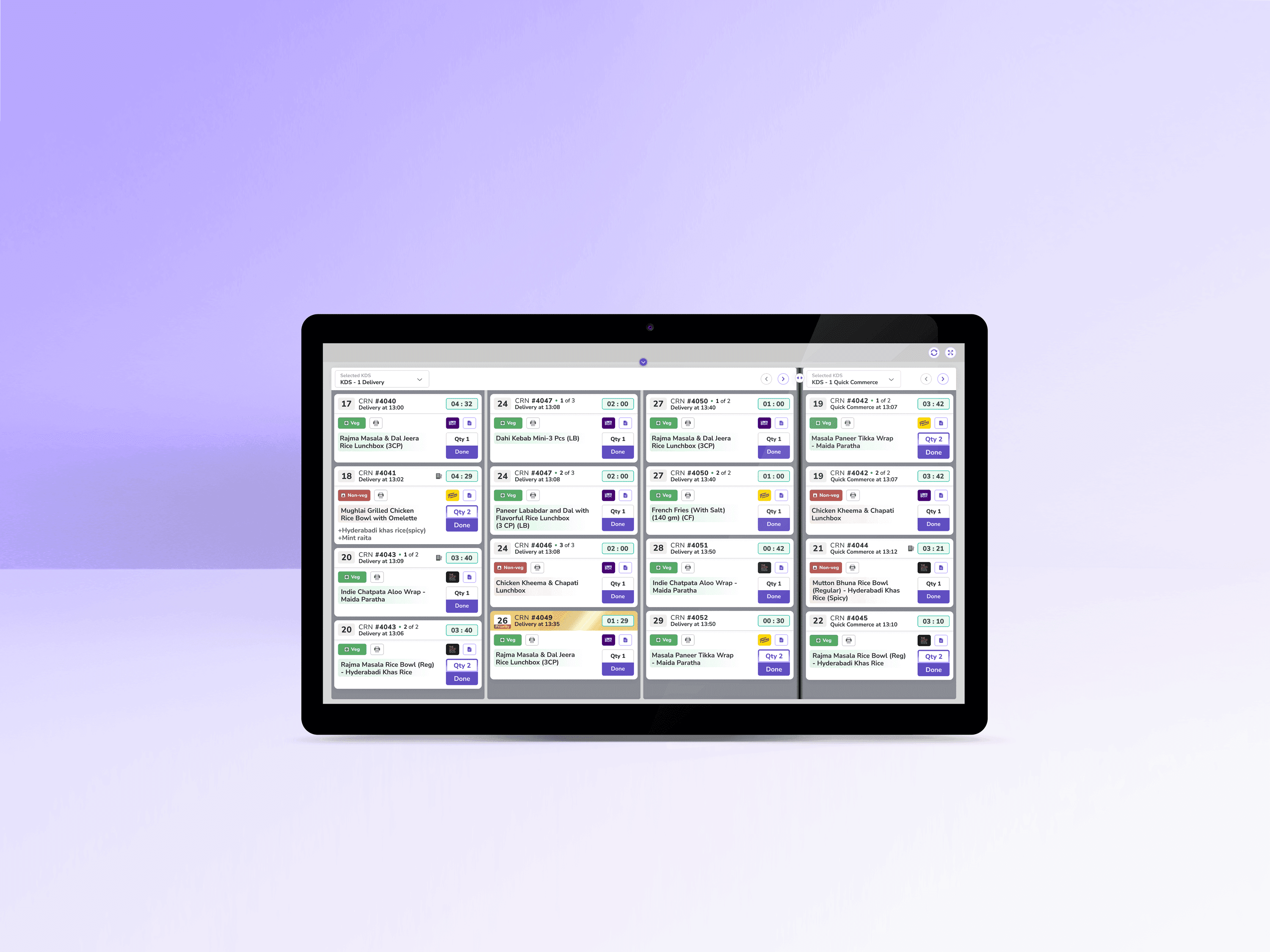
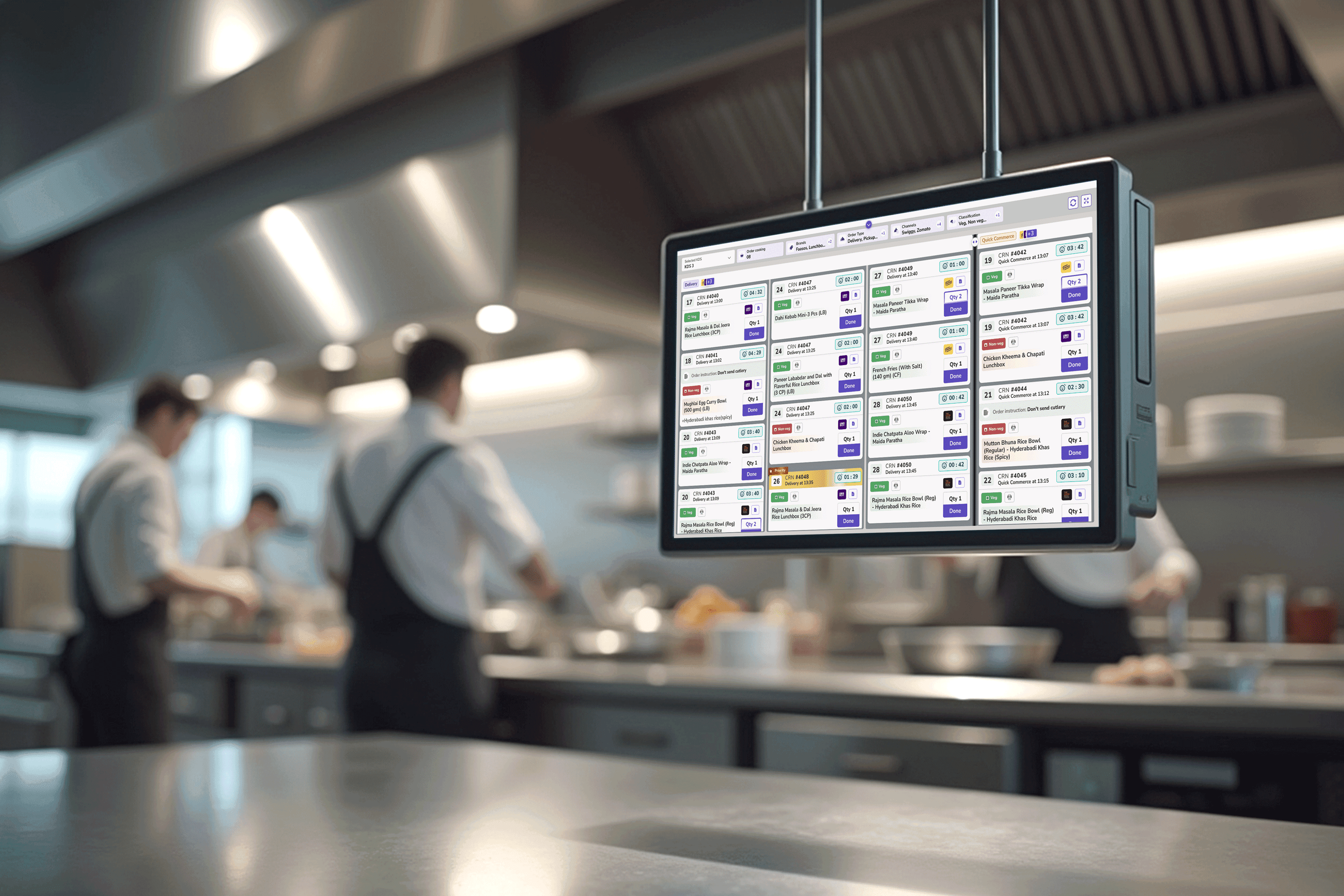
Delivery Notes and KOT Overload: Managing the large number of Delivery Notes (DN) and KOTs that indicate orders have just landed on KDS and not yet ready for routing.
Manual QC: The cognitive load of relying on the delivery note to decide which bag an item should go into, especially during peak times.
Missing items and suboptimal CX: Deterioration of brand reputation, leading to declining customer loyalty and repeat orders, and potential loss of customers to competitors with more reliable fulfillment
About Smart Router
Rebel Foods is the world's largest cloud kitchen restaurant chain, operating over 450 cloud kitchens across 10 countries. Their router management system was causing frequent errors, including missing items, incorrect orders, leading to frustrated end customers. I led the redesign of this internal tool to simplify workflows, reduce cognitive load, and improve order accuracy. Through real-time observations and conversations with on-ground teams, I identified key friction points and streamlined the interface to minimize errors and support more reliable routing.
Context
Rebel Foods’ router stations were experiencing frequent operational breakdowns—leading to ~0.8% missing items and ~0.6% goof-ups, translating to
Customers experience issues with their orders
Customers experience issues with their orders
Resulting refunds as a result of the order errors
Resulting refunds as a result of the order errors
The data revealed critical operational inefficiencies that affected both kitchen performance and customer satisfaction. However, the more lasting impact was on brand reputation—resulting in reduced customer loyalty, fewer repeat orders, and the risk of losing customers to competitors with more reliable fulfillment.
The cost of a Goof-up
In the Indian context, goof-ups in order handling had serious consequences. In some cases, vegetarian customers were mistakenly served non-vegetarian food, which offended cultural sentiments, damaged the brand’s reputation, and triggered legal action. For a company operating at scale in a culturally diverse market like India, these errors were not just operational flaws. They posed serious business risks for Rebel Foods.
My Role
As the lead designer on the platform team, I partnered closely with product and engineering to shape the router redesign. I translated the broader goals into a clear design direction and led the end-to-end execution of the new system.
My work spanned across user research, building design frameworks, crafting UX and UI, and executing detailed visual design.
For this initiative, I closely collaborated with a cross-functional team comprising a design lead, 2 product managers, 3 front-end engineers and 2 back-end engineers.
Business Goal
At Rebel Foods Annual Day 2024, the organization collectively committed to an ambitious goal: eliminating all instances of missing items and goof-ups.
At Rebel Foods Annual Day 2024, the organization collectively committed to an ambitious goal: eliminating all instances of missing items and goof-ups.
Research & Discovery
We conducted on-site visits to three kitchens in India, including 3 face-to-face interviews in Mumbai, a Tier 1 city in Western India.
Primary Objective
Uncover the goals, painpoints, and mental models of routing staff while consolidating, sorting, and dispatching high-velocity orders.
Secondary Objective
Identify gaps and errors in the current manual routing process, especially during peak hours.
Furthermore, the product manager supplied data detailing the percentage of missing items and operational discrepancies.
User Goal
How might we enable users to efficiently manage and dispatch orders across multiple kitchens with minimal errors, ensuring optimal customer experience (CX)
Primary Users of the System
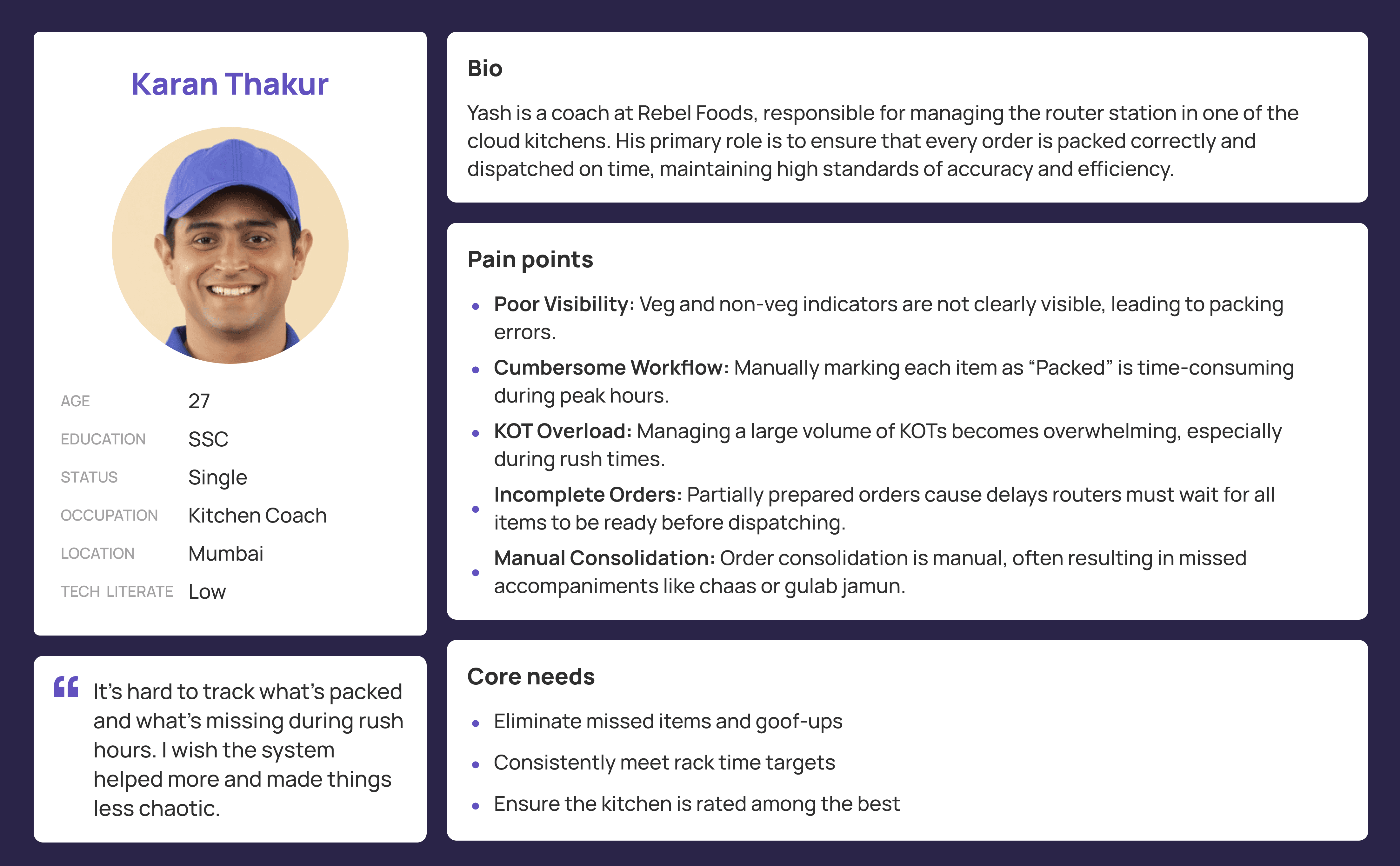
Meet Karan
Karan is a 27-year-old kitchen coach at Rebel Foods in Mumbai. He manages the routing station in one of the cloud kitchens, making sure every order is complete, accurate, and ready to go on time. But during peak hours, things often spiral out of control. He struggles to keep up with a flood of KOTs, unclear classification indicators, and manual steps that slow everything down.
Key Challenges Uncovered
Too many tickets make it hard to prioritise
Kitchen staff struggle to know which order to focus on when multiple delivery notes and KOTs come in at once.
Manual sorting drains focus
Kitchen staff rely on memory and manual checks to match items to the right order, especially under pressure. They have to manually mark each item as packed resulting in errors and mental fatigue.
Mistakes aren’t caught early
There is no timely feedback loop when errors occur. The staff often realize issues only after the order has left the kitchen, which negatively impacts brand reputation and customer loyalty.
Design Principles
Reduce Cognitive Load
Design should simplify decision-making for routing staff through prioritization, clear visuals, and step-by-step guidance.
Design for Flow, Not Friction
The system should guide users through the routing and packing process with minimal interruption and maximum automation.
Make Status Visible at a Glance
Provide real-time feedback on what’s packed, pending, and ready—so staff can act with clarity and confidence.
The Solution
Mitigating missing items includes 3 steps:
Brand Chef Prints and Applies KOT
Reduced Errors: The Brand Chef attaches the KOT, minimizing order mix-ups.
Improved Efficiency: The router focuses on quality control and consolidation, easing their workload and enhancing accuracy.
Scanning items
Mandatory scanning ensures all items are accounted for.
Automated order identification simplifies the router's tasks, especially during peak time
Bin Management
Eliminates manual sorting, reducing errors and improving accuracy.
Improves item organisation and retrieval efficiency.
The design prioritized accuracy, with the tradeoff being the additional time taken for routing each item and preparing the item, both of which were constrained to less than 10 seconds.
The design prioritized accuracy, with the tradeoff being the additional time taken for routing each item and preparing the item, both of which were constrained to less than 10 seconds.
New Userflow
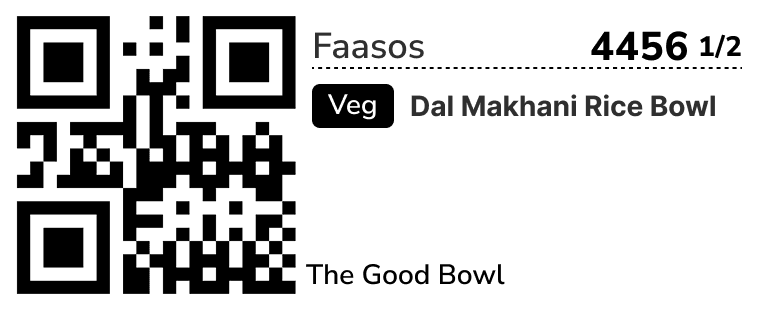
Structure of KOT
Final Design
Introducing Smart Router, enhanced with bin management and scanning, strengthens our commitment to operational precision. It directly addresses a key pain point: missing items at dispatch—a common source of user dissatisfaction.
The MVP Mindset
We focused on core utility:
Removed manual sorting to reduce human error
Enabled structured bining to streamline order retrieval
Built for speed and accuracy, not complexity
Sneak Peak
Happy Flow
Guardrail metric: Additional time per item for routing (<10 seconds)
as well as item preparation (<10 seconds)
Guardrail metric: Additional time per item for routing (<10 seconds)
as well as item preparation (<10 seconds)
Guardrail metric: Additional time per item for routing (<10 seconds)
as well as item preparation (<10 seconds)
Guardrail metric: Additional time per item for routing (<10 seconds)
as well as item preparation (<10 seconds)
Router Configuration
Delayed Orders
Manual Input as a fallback in case scanning fails
Fallback in case of any operational issues
Design Callouts
User-Centric Workflow Design
Intuitive interface to guide users through the scanning and bin management process step by step, reducing cognitive load
Consolidated order view
Introduction of side drawer to capture all items in an order in a single view along with the indicators whether scanning is pending or complete.
Visual Feedback and Confirmation via colour coded bins
Display status of each bin, through colour code visual cues to highlight statuses such as active/inactive bins, scanning in progress, scanning complete and delayed orders
Enhanced Classification Indicators
We introduced colour coded veg/non-veg labels along with a gradient that reinforces the classification in order to minimise goof-ups.
Other Explorations
I explored the potential of the Dash mobile app incorporating multi-code scanning, enabling the automation of scanning multiple items in a single scan. I also considered using color-coded QR codes to help chefs easily differentiate between veg and non-veg KOTs when attaching them, minimizing errors and ensuring accuracy during the process.


I also explored some low cost high impact solutions to help mitigate missing items in case of any operational inefficiences within the current router flow itself.
Validation
Guardrail metric: Additional time per item for routing (<10 seconds)
as well as item preparation (<10 seconds)
Impact
Eva Elle
@evaelle
Thank you for building such an empowering tool, especially for designers! The site went from Figma to Framer in less than a week!
Thank you for building such an empowering tool, especially for designers! The site went from Figma to Framer in less than a week!
Guy Mccoy
@mccoy
Playing around with @framer while building a landing page for a side project. I’m terrible at animations, but they make it so easy!
Playing around with @framer while building a landing page for a side project. I’m terrible at animations, but they make it so easy!
Kayla Ray
@kayray
I’ve built pretty handy sites powered by Craft or WordPress in the past, but seeing @framer tackle CMS stuff so effortlessly is mind-boggling
I’ve built pretty handy sites powered by Craft or WordPress in the past, but seeing @framer tackle CMS stuff so effortlessly is mind-boggling
Guardrail metric: Additional time per item for routing (<10 seconds)
as well as item preparation (<10 seconds)
My learnings
Delivery Notes and KOT Overload: Managing the large number of Delivery Notes (DN) and KOTs that indicate orders have just landed on KDS and not yet ready for routing.
Manual QC: The cognitive load of relying on the delivery note to decide which bag an item should go into, especially during peak times.
Missing items and suboptimal CX: Deterioration of brand reputation, leading to declining customer loyalty and repeat orders, and potential loss of customers to competitors with more reliable fulfillment
Demo Video
EXPLORE MORE PROJECTS
EXPLORE MORE PROJECTS
EXPLORE MORE PROJECTS
MADE WITH ❤ AND LOTS OF TEA !
let's work together
MADE WITH ❤ AND LOTS OF TEA !
let's work together
MADE WITH ❤ AND LOTS OF TEA !
let's work together